

 Andy Nash
Choosing the right knife for your kitchen can feel overwhelming with all the options out there.
Whether you’re slicing vegetables or carving up meat, understanding the difference between a single bevel and a double bevel knife is crucial.
Both types of knives are designed with specific tasks in mind, so knowing when to use each can make a big difference in your kitchen adventures.
Want to know more, keep on reading.
What Is A Beveled Knife?
A beveled knife features a distinct edge style that affects how it cuts. The term “bevel” refers to the angled surface on the side of the knife leading to the sharp edge.
These edges can be on just one side of the blade or both.
Single-Bevel Knives:
- Chisel-like: The blade is sharpened on one side.
- Advantages: Can make very precise cuts.
- Disadvantages: May require special sharpening skills.
Double-Bevel Knives:
- Blades have angles on both sides of the knife.
- Advantages: They’re versatile and easier for most tasks.
- Disadvantages: Less precise than single-bevels in specific situations.

Choosing between a single or double bevel often comes down to the kind of tasks they’re used for.
Single bevel knives are common in Japanese cuisine, allowing for refined cutting techniques.
On the other hand, double bevel knives are widespread in Western kitchens.
Parts of the Knife Related to Bevels:
- Blade: The main cutting surface.
- Edge: The sharpened part of the blade.
A knife’s bevel plays a significant role in its cutting performance. Different bevels suit different purposes, making it essential to understand which one fits a specific need.
Whether it’s a simple kitchen task or a precise chef’s endeavor, the right bevel makes all the difference.
Types Of Single Bevel Knives
Single bevel knives are specialized tools used in Japanese cuisine. They feature a chisel edge, meaning one side is flat while the other is beveled.
Japanese kitchen knives like these excel in precise slicing and cutting tasks.
Usuba Bōchō
- Purpose: Used for cutting vegetables, especially for making thin slices of daikon.
- Blade type: Straight blade, ideal for push cuts.
- Commonly used by: Professional Japanese chefs in traditional settings.
Yanagiba
- Purpose: Perfect for slicing raw fish for sushi and sashimi.
- Blade length: Long and narrow, ensuring smooth, delicate cuts.
- Common choice for: Seafood lovers focusing on presentation.
Deba
- Purpose: Designed for filleting fish.
- Blade features: Thick and sturdy, capable of cutting through small bones.
- Used mostly in: Tasks requiring both precision and strength.
Single bevel knives are renowned for their craftsmanship and are a must-have for those interested in traditional Japanese cooking.
Each has its unique functionality, making them excellent choices for specific culinary tasks.
These knives bring the precision needed to enhance Japanese meals, whether you’re a beginner or a seasoned chef.
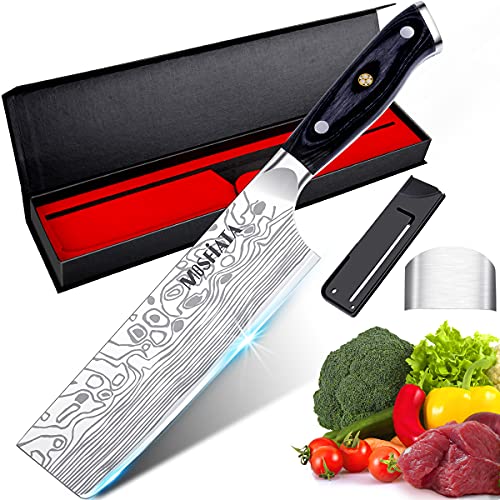

Understanding the purpose and design of each knife type helps in choosing the right tool for the job.
Types Of Double Bevel Knives
Double bevel knives are popular in kitchens for their versatility and ease of use.
Unlike single bevel knives, they have an edge on both sides. This makes them convenient for both left and right-handed users.
They’re especially favored by chefs for tasks that require precision and control.
Chef’s Knife: The chef’s knife, sometimes called a chef knife, is perhaps the best-known type of double bevel knife.
Its balanced weight and curved blade make it perfect for chopping, slicing, and dicing a variety of foods.
This knife should be a staple in any kitchen.
Santoku Knife: Originating from Japan, Santoku knives have gained popularity worldwide.

Their shorter, wider blade and distinct shape make them excellent for cutting vegetables, meats, and fish.
Japanese knives are double-bevel, offering precision without sacrificing versatility.
Double bevel blades have two equal angles, which makes sharpening easier.
This type of edge is found in many steel knives, giving them durability and strength.

This feature is why double bevel knives offer a blend of performance and maintenance that many find ideal for everyday cooking.
For those searching for reliable kitchen tools, understanding the types of double bevel knives can lead to better culinary results.
Their adaptability and ease of handling make them timeless kitchen companions.
With these knives, culinary tasks become less of a chore and more of a delightful experience.
Is There a Difference in Slicing with Single Bevel or Double Bevel Knives?
When it comes to slicing, the design of a knife can make a big difference.
Single bevel and double bevel knives each have their unique strengths.
A single bevel knife has a blade sharpened only on one side, leading to a sharper edge. This makes it ideal for precise cuts and clean slices.
Chefs often use this for tasks like slicing fish or vegetables where a delicate touch is needed.
Double bevel knives are sharpened on both sides. This design provides a balanced feel, allowing for more versatile cutting tasks.
These knives are often chosen for general kitchen use because they can handle a variety of slicing jobs with ease.
| Feature | Single Bevel Knife | Double Bevel Knife |
|---|---|---|
| Sharpening | One-sided | Both sides |
| Use | Precise slicing | General slicing |
| Typical Tasks | Slicing fish, vegetables | Handling various ingredients |
| Handling | Requires skill for consistency | Easier for beginners to use |
Single bevel knives offer an unparalleled precision, whereas double bevel knives provide great versatility and ease of use.
Each has its place in the kitchen, and choosing between them depends largely on what kinds of slicing tasks are most common.

How About Sharpening These Kitchen Knives?
When it comes to sharpening kitchen knives, understanding the type of bevel is essential.
Whether it’s a single or double bevel knife, the approach varies.
Single Bevel Knives:
- Angle: Typically sharpened at an angle of 15 to 20 degrees.
- Tools Needed: A whetstone is recommended for precision.
- Method: Sharpen only on the beveled side, then use a razor strop or leather to refine.
Single bevel knives require less frequent sharpening but more practice to master.
Double Bevel Knives:
- Angle: Usually sharpened at 20 to 30 degrees for both sides.
- Tools Needed: A knife sharpener works well.
- Method: Evenly sharpen both sides to maintain balance.
Double bevel knives are easier to sharpen and can become quite sharp.
General Tips:
- Keep It Consistent: Maintain a consistent angle for best results.
- Grind Carefully: Avoid using excessive force to prevent damaging the blade.
- Finishing Touch: Always finish with a razor strop or leather to achieve that razor-sharp edge.

Sharpening kitchen knives isn’t just about getting them razor-sharp. It’s about extending their life and ensuring they perform their best.
With practice, anyone can master the art of knife sharpening.
Which Is Better? Single Bevel Or Double Bevel Knife?
When deciding between single and double bevel knives, one must consider their needs and preferences.
Single Bevel Knives:
- Design: These knives have a blade sharpened on one side, creating a fine edge.
- Use: They’re perfect for precise tasks, like slicing sushi or filleting fish.
- Control: Offers great control and sharpness for straight, clean cuts.
Double Bevel Knives:
- Design: These knives are sharpened on both sides, resulting in a symmetrical edge.
- Use: They’re versatile, suitable for chopping vegetables, cutting meat, and general kitchen use.
- Utility: Easier for beginners due to their balance and durability.
Choosing between these knives can depend on skill level and task specificity.
Highly specialized knives like single bevel types suit tasks requiring precision.
Meanwhile, double-bevel knives are better for everyday use and are often discussed in kitchen knife forums as being a good all-rounder knives.
For a first-time knife buyer, understanding the difference between single and double bevel knives can guide you to the right choice.
It’s essential to consider the kind of cooking one enjoys most.
Wrapping Up
When choosing between single bevel and double bevel knives, it really depends on personal needs and preferences.
Single bevel knives offer precision and are favored for tasks requiring detailed cuts, like sushi preparation.
They suit those looking to master specific cutting techniques.
Double bevel knives, on the other hand, are versatile and user-friendly. They’re great for everyday cooking, as they allow for easy cutting and are suitable for both left- and right-handed users.
This makes them a practical choice for most kitchens.
Each type of knife has its own advantages and purposes in food preparation.
Selecting the right one depends largely on the specific culinary tasks at hand and the cook’s skill level.
A keen cook may find the lure of mastering single bevel appealing, while someone simply looking for practicality might favor a double bevel.

- What Is an Ulu Knife and What Is It Used For? The Versatile Tool Explained - January 22, 2025
- Single Bevel vs Double Bevel Knives: Key Differences Explained - January 20, 2025
- Boning Knife vs Meat Cleaver: Choosing The Right Tool For Meat Preparation - January 14, 2025


